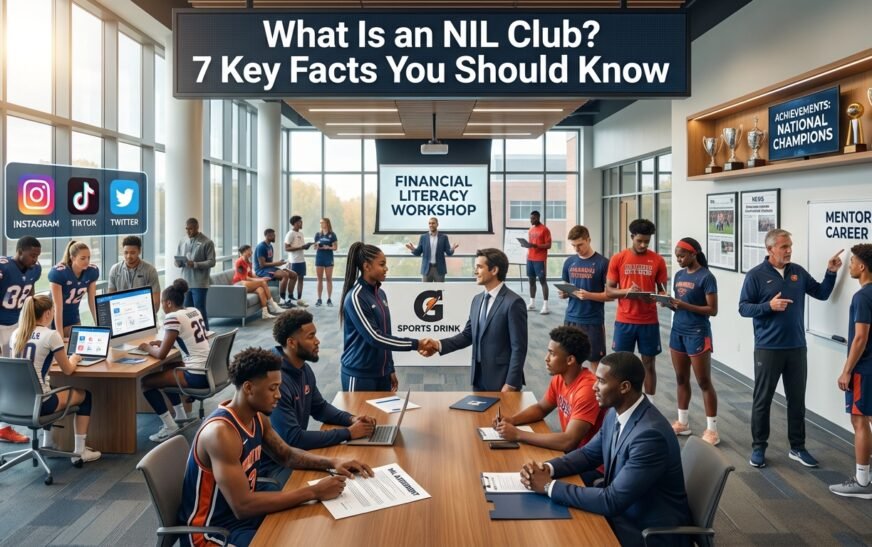
In recent years, the world of college athletics has been transformed by NIL—Name, Image, and Likeness—deals. These agreements allow athletes to earn money from their personal brand while still in college. One of the newest concepts emerging from this change is the NIL club. If you’ve ever wondered “what is an NIL club?”, this guide will walk you through everything beginners need to know.
We’ll cover the definition, how these clubs operate, who benefits, and the impact on college sports. By the end, you’ll have a clear understanding of NIL clubs and their significance in today’s athletic landscape.
Table of contents
What Is an NIL Club?
An NIL club is an organized group, association, or program that helps college athletes capitalize on their Name, Image, and Likeness rights. Essentially, these clubs serve as a support system for athletes to:
- Connect with potential sponsors or brands
- Manage contracts and agreements
- Learn about marketing and personal branding
- Maximize earnings from endorsements
NIL clubs often exist within universities, athletic programs, or as independent organizations. They ensure athletes navigate the NIL world legally, ethically, and efficiently.
1. How NIL Clubs Work
NIL clubs act as intermediaries between athletes and businesses. Here’s how they usually operate:
- Registration: Athletes join the club voluntarily.
- Education: Clubs offer training on contracts, negotiations, and branding.
- Sponsorship Opportunities: Clubs connect athletes with brands, local businesses, or national companies.
- Compliance Assistance: NIL clubs ensure athletes comply with NCAA rules and school policies.
This structured approach reduces confusion and increases the chances of athletes successfully monetizing their personal brand.
2. Benefits of Joining an NIL Club
Joining an NIL club offers several advantages:
- Professional Guidance: Avoid common pitfalls when signing deals.
- Networking: Gain access to brands, agents, and other athletes.
- Financial Literacy: Learn how to manage and invest earnings.
- Legal Support: Ensure all agreements follow NCAA and state rules.
- Brand Development: Understand how to grow social media presence and marketability.
By joining a club, athletes gain resources that would be difficult to access individually.
3. Who Can Join an NIL Club?
Typically, NIL clubs are open to:
- College athletes in NCAA Division I, II, or III
- Prospective athletes preparing for college recruitment
- Student-athletes looking to develop a personal brand
Some clubs may limit membership based on sport, eligibility, or school affiliation. However, most aim to be inclusive and provide opportunities for any athlete ready to engage with NIL deals.
4. Common Types of NIL Clubs
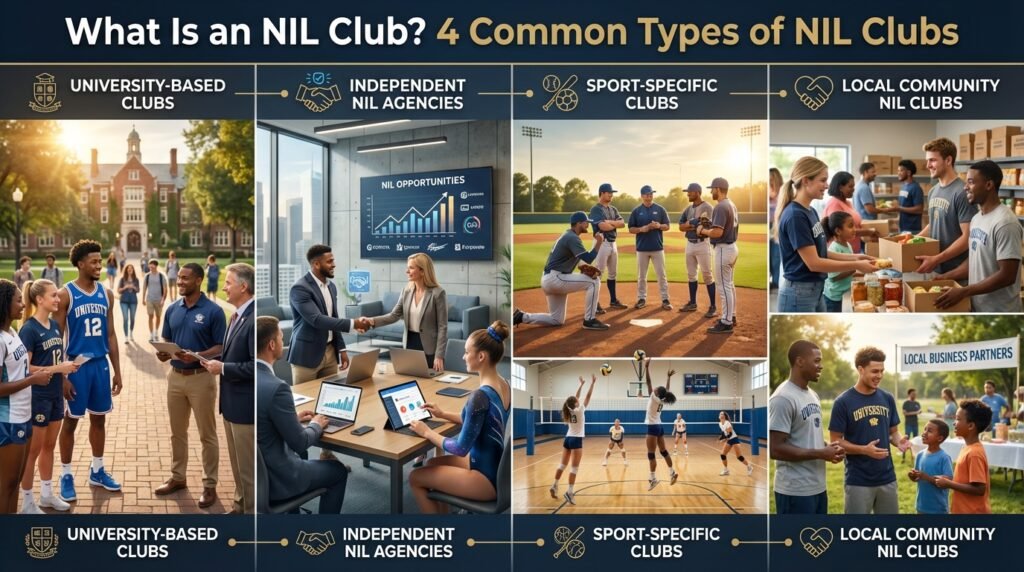
There are different models for NIL clubs. Here are the most common:
1. University-Based Clubs
- Managed directly by the school’s athletic department
- Focused on athletes within that university
- Offer structured educational programs and sponsorship networks
2. Independent NIL Agencies
- Operate outside universities
- Connect athletes with multiple brands
- Provide marketing, legal, and financial support
3. Sport-Specific Clubs
- Cater to a specific sport, such as basketball or football
- Focus on sport-related sponsorship opportunities
4. Local Community NIL Clubs
- Small clubs promoting athletes in their local area
- Connect athletes with local businesses for endorsements
Each type offers unique benefits depending on the athlete’s goals and level of competition.
5. Legal and Compliance Considerations
Understanding NCAA and state rules is crucial. NIL clubs help athletes navigate:
- Contract Law: Ensuring agreements are legally binding and fair
- NCAA Rules: Compliance with eligibility requirements
- State Laws: Some states have specific rules on NIL compensation
- Taxes: Guidance on reporting NIL income correctly
Failing to follow these regulations can result in fines, loss of eligibility, or voided contracts. NIL clubs reduce these risks by offering expert guidance.
6. How NIL Clubs Impact College Sports
NIL clubs are changing the landscape of college athletics in multiple ways:
- Increased Opportunities: Athletes can earn income while pursuing their education
- Competitive Advantage: Schools with strong NIL programs may attract top talent
- Brand Growth: College sports become more marketable through athlete endorsements
- Financial Education: Athletes gain skills for long-term financial success
Overall, NIL clubs help athletes balance education, sports, and entrepreneurship.
7. Tips for Maximizing Your NIL Potential
For athletes looking to leverage NIL clubs effectively, here are some pro tips:
- Build Your Personal Brand: Develop social media presence and engage with fans
- Understand Your Value: Know what makes your profile attractive to sponsors
- Network Strategically: Connect with brands aligned with your image
- Stay Educated: Attend workshops on contracts, taxes, and endorsements
- Choose the Right Club: Consider resources, reputation, and network strength
Following these tips ensures athletes make the most out of NIL opportunities.
Frequently Asked Questions (FAQs)
1. What is an NIL club?
An NIL club is an organization that helps athletes manage Name, Image, and Likeness deals, offering guidance, sponsorship connections, and education.
2. Can any college athlete join an NIL club?
Yes, most NIL clubs are open to NCAA athletes, but some may have sport-specific or school-specific requirements.
3. Do NIL clubs charge fees?
Some clubs may charge membership or service fees, while others are funded by schools or sponsors. Always check the terms before joining.
4. How do NIL clubs help with contracts?
Clubs provide legal guidance, ensuring contracts comply with NCAA rules and are fair for the athlete.
5. Are NIL deals taxed?
Yes, earnings from NIL deals are considered taxable income. NIL clubs often provide financial education to help athletes manage taxes.
6. Do NIL clubs guarantee sponsorships?
No, clubs provide opportunities and guidance, but securing deals depends on the athlete’s marketability and effort.
7. Can high school athletes join NIL clubs?
Some clubs allow high school athletes preparing for college recruitment, but rules vary by state and organization.
Conclusion
Understanding what an NIL club is and how it operates is essential for modern student-athletes. NIL clubs provide structure, guidance, and resources that help athletes maximize their Name, Image, and Likeness potential while staying compliant with NCAA and state rules.
By joining the right NIL club, athletes can gain professional mentorship, secure sponsorships, develop personal branding, and prepare for long-term success. Whether you’re a current college athlete or preparing for recruitment, engaging with an NIL club can make a significant difference in both your athletic and financial future.